For businesses operating in texturing, pharmaceuticals, water treatment, consumer diagnostics, or laboratory research, sourcing raw materials is a critical operational pillar. Whether you are stocking essential commodities or buying specialized laboratory equipment, your choice of an industrial partner directly impacts your product quality, safety compliance, and bottom line.
Navigating the local chemical distribution landscape requires balancing cost with regulatory adherence, logistical reliability, and strict quality control. Here is a comprehensive guide on how to evaluate and choose the right chemical supplier in Pakistan.
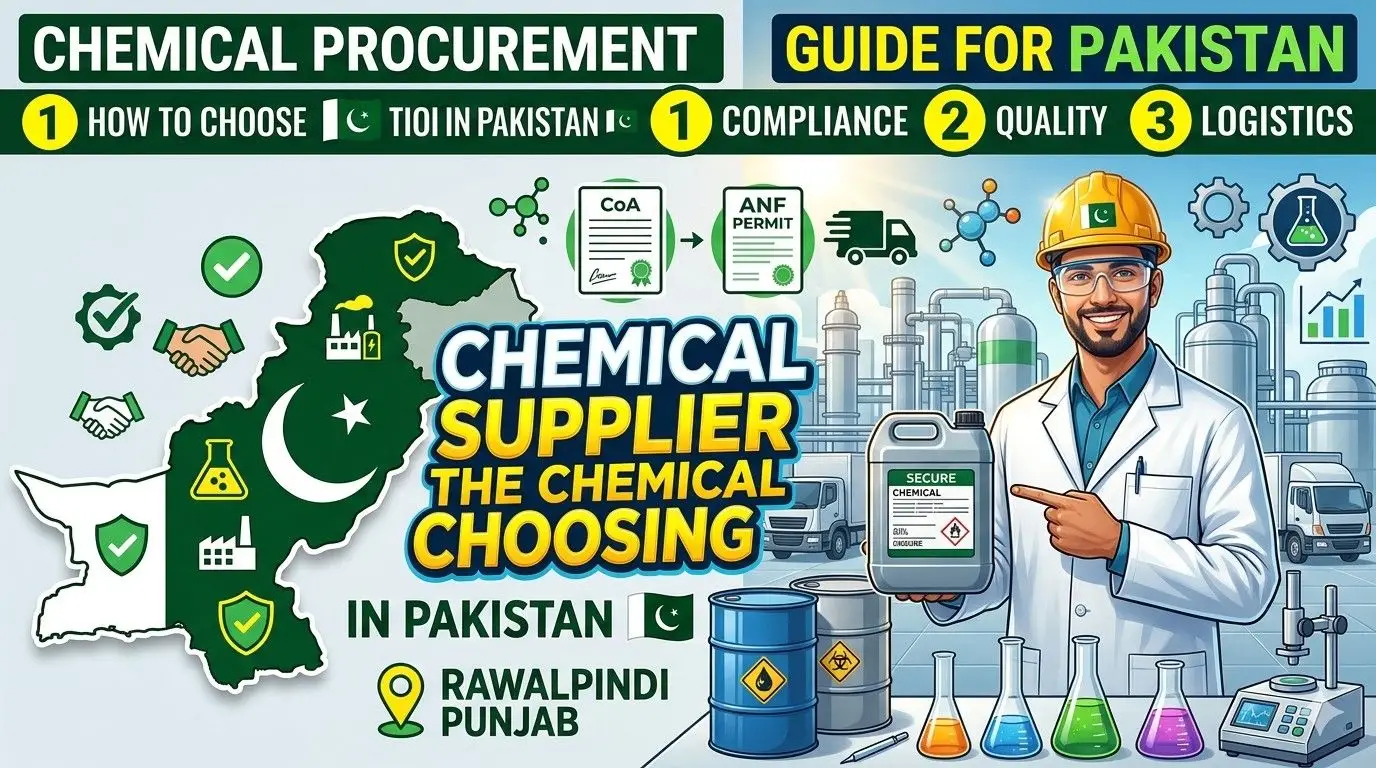
1. Verify Regulatory and Safety Compliance
The chemical industry is heavily regulated to ensure public safety, environmental protection, and secure handling of volatile substances. Your supplier must hold valid certifications from relevant federal and provincial authorities.
- Anti-Narcotics Force (ANF) & Ministry of Interior Licensing: Certain precursor chemicals used widely in industrial applications require strict regulatory oversight. Ensure your supplier holds proper quotas and clearances to trade these substances legally.
- Provincial Environmental Protection Agencies (EPAs): A responsible supplier must comply with storage and handling guidelines set by Punjab EPA, Sindh EPA, or your respective regional body.
- Safety Data Sheets (SDS): Reliable vendors must provide comprehensive, updated SDS with every shipment, outlining proper handling, storage, and emergency protocols in accordance with global standards.
2. Assess Quality Assurance Protocols
Industrial chemical manufacturing demands absolute consistency. A slight variance in purity levels can ruin entire production batches.
- Certificates of Analysis (CoA): Never partner with a supplier that cannot provide a batch-specific CoA. This document verifies the exact chemical composition, concentration, and purity level of the delivered lot.
- International Quality Standards: Look for distributors who partner with manufacturers certified under ISO 9001 (Quality Management) and ISO 14001 (Environmental Management).
- Sample Testing Policies: Standard industry practice allows prospective buyers to request small, verified samples for internal laboratory testing before signing long-term procurement contracts.
3. Evaluate Supply Chain and Logistical Capabilities
Pakistan’s logistics network can face regional bottlenecks. A supplier with weak distribution channels can lead to costly operational downtime for your facility.
Key Logistical Questions to Ask:
- Storage Facilities: Do they operate temperature-controlled, purpose-built warehouses to prevent the degradation of sensitive compounds?
- Delivery Fleet: Are their transport vehicles equipped to carry hazardous materials safely, minimizing the risk of spills or transit contamination?
- Lead Times: Do they maintain a healthy local safety stock, or are you entirely dependent on long international shipping timelines? Suppliers with robust warehousing in major hubs like Karachi, Lahore, or Faisalabad offer faster turnaround times.
4. Range of Product Catalog and Industrial Scope
Depending on your business model, you may require a broad spectrum of assets, from heavy industrial bulk chemicals to highly sensitive laboratory instruments and specialized glassware.
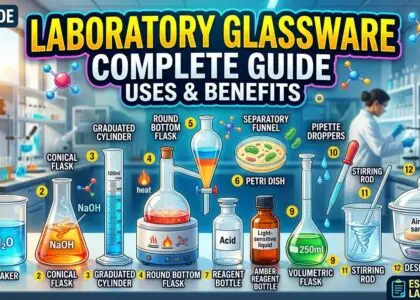
- The One-Stop Shop Advantage: Partnering with a distributor who can supply both raw chemical compounds and the necessary analytical equipment (like beakers, flasks, and measuring tools) streamlines your procurement process, reduces shipping costs, and simplifies invoicing.
- Technical Expertise: The right partner doesn’t just deliver boxes; their team should possess the technical knowledge to guide you on product compatibility, storage requirements, and optimal grade selections (e.g., technical grade vs. analytical reagent grade).
5. Transparency in Pricing and Commercial Terms
While price competitiveness is vital, the lowest quote shouldn’t blindly dictate your decision. Sub-market rates often indicate compromised purity, short weights, or hidden logistical fees.
Flexible Commercial Credit: Established corporate suppliers frequently offer structured credit terms (e.g., Net 30 or Net 60 days) to registered businesses once a reliable trading relationship and credit history have been established.
All-Inclusive Quotes: Ensure your formal quotes clearly break down the base chemical cost, sales tax (GST), withholding tax, packaging charges, and delivery fees to your specific facility.